A Guide to Moving Heavy Equipment
A Guide to Moving Heavy Equipment
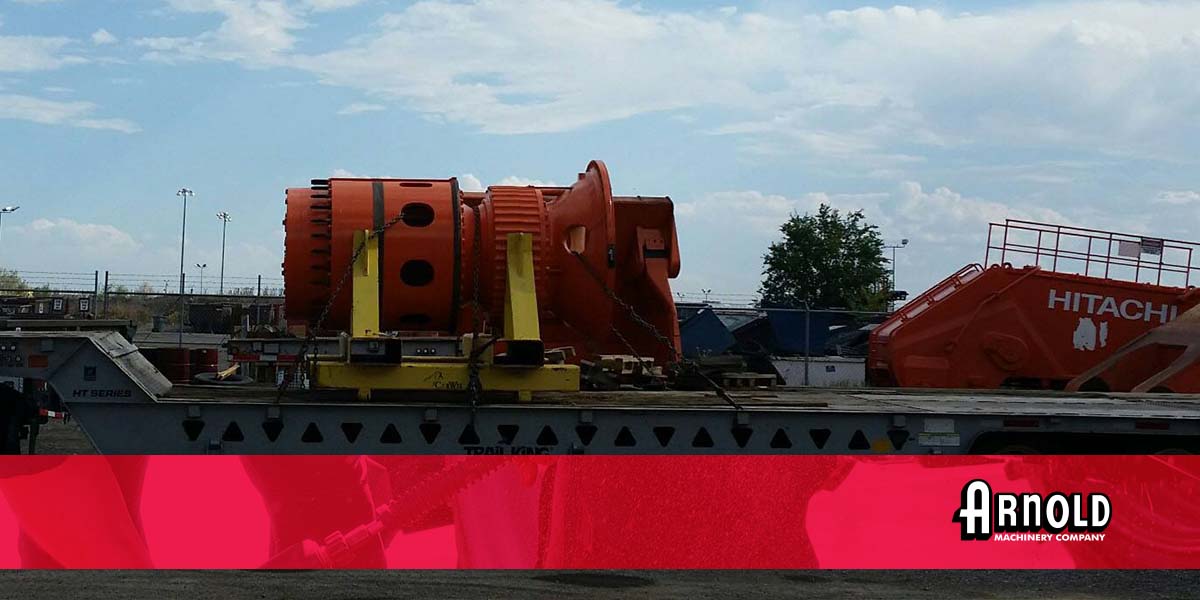
Moving heavy equipment involves high stakes. One mistake can lead to damaged machinery, injured personnel or costly project delays. From relocating a bulldozer across your worksite to transporting an excavator across state lines, a clear plan is essential.
This guide walks you through every step of a safe, compliant move. You’ll learn how to assess risks, choose the appropriate method, secure permits and reap the rewards of a job well done. By the end, you’ll know what it takes to protect your assets and your team.
1. Formulate a Plan
Before moving a single piece of machinery, you must understand the stakes and what could go wrong. Identifying potential hazards up front helps you plan accordingly and protect what matters most.
Primary risks include:
- Crushing injuries, falls and operator accidents during loading and transportation
- Damage to expensive machinery, third-party property damage and equipment downtime
- Project delays, regulatory fines and insurance claim complications
Review comprehensive heavy equipment safety guidelines to understand industry best practices before you begin.
Ask These Questions First
Answering these questions gives you the foundation for every decision that follows.
- Equipment specifications: What are the exact dimensions, weight and center of gravity?
- Travel requirements: What’s the total distance, terrain type and road conditions?
- Timeline and budget: When does the equipment need to arrive, and what resources are available?
- Access considerations: Are there height restrictions, narrow passages or limited staging areas?
- Weather factors: Will weather conditions impact safety or site access?
2. Choose Your Moving Method
Once you’ve determined the scope of your move, you need to decide how to move heavy equipment. This strategic decision impacts safety, cost and timeline.
Should You Handle the Move Yourself?
A DIY move may work in specific scenarios:
- Moving equipment within a controlled worksite you already manage
- Machinery that fits within your existing transport capabilities
- You have certified operators and riggers on staff
- You own or can rent the necessary rigging and transport tools
Even with in-house capability, you must follow the same safety standards and regulations that professional movers use. Cutting corners creates liability and puts your team at risk.
Benefits of Hiring Professional Movers
Professional equipment movers bring expertise and resources most companies don’t have in-house:
- Access to lowboy trailers, heavy-duty rigging and certified lifting equipment
- Comprehensive protection for your machinery and third-party risks
- Professional handling of permits, route surveys and compliance requirements
- Trained teams with established protocols for complex moves
The cost of professional movers often proves lower than the total expense of DIY moves when you factor in equipment rental, insurance, permits and labor.
How to Vet Your Moving Partner
If you decide to hire professional help, evaluate candidates carefully.
- Safety record: Ask for their OSHA incident rate and safety certifications.
- Insurance verification: Confirm adequate coverage limits and request a certificate of insurance.
- Experience with similar equipment: Verify they’ve successfully moved machinery like yours.
- Customer satisfaction guarantee: Look for commitments that go beyond standard contracts.
A robust customer satisfaction guarantee demonstrates a company’s confidence in its service and commitment to making things right if issues arise.
3. Plan the Route and Site
Once you’ve chosen your moving method, route and site planning is the next essential step to ensure a smooth, delay-free move.
Map Your Transportation Route
Survey the entire route before moving day. Drive the route in advance if possible. What looks feasible on a map may reveal problems in person.
- Overhead clearances: Identify low bridges, power lines and overhanging structures.
- Weight restrictions: Check bridge ratings and road capacity along your path.
- Turn radius requirements: Flag tight corners, roundabouts and narrow streets.
- Grade considerations: Note steep inclines that could stress brakes or require additional equipment.
Prepare the Pickup and Drop-Off Sites
Both ends of your move require adequate staging areas. Site preparation often determines whether a move goes smoothly or turns into an all-day problem.
- Ground stability: Verify that the surface can support equipment weight plus rigging loads.
- Level surfaces: Sloped or uneven ground creates serious safety hazards during loading.
- Clear access: Remove obstacles, mark utilities and ensure adequate maneuvering space.
- Lighting and visibility: Plan for adequate visibility if work extends into early morning or evening hours.
4. Secure Your Tools and Team
With your route mapped and sites prepared, safely executing the physical move requires two essential components — qualified equipment and trained personnel.
Essential Rigging and Moving Tools
You may need the following to lift heavy objects and secure loads.
- Lifting equipment: Verify cranes, forklifts, jacks and hydraulic skates can handle your load.
- Rigging hardware: Slings, shackles, chains and spreader bars must meet load requirements.
- Securement tools: Include chains, binders, straps and chocks for transport stabilization.
- Safety equipment: Personal protective equipment, spotting devices and communication tools are essential for success.
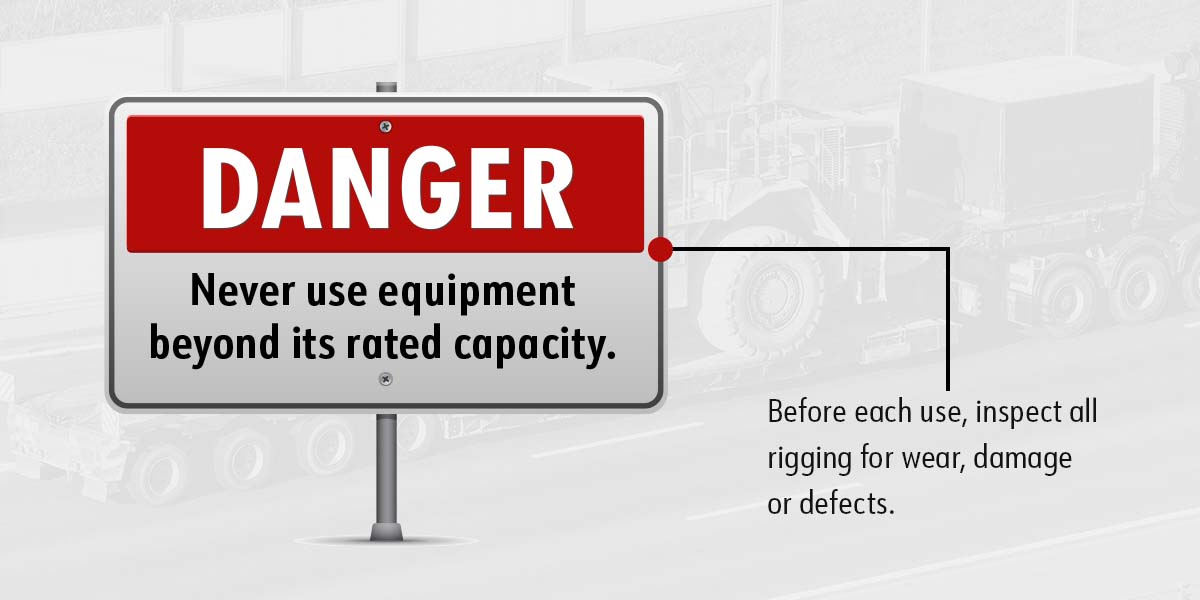
Never use equipment beyond its rated capacity. Before each use, inspect all rigging for wear, damage or defects. OSHA provides safe sling use standards that apply to all lifting operations.
Many companies find renting construction equipment more practical than purchasing specialized tools they’ll only use occasionally.
Assemble Your On-Site Moving Team
Define responsibilities for everyone involved:
- The team lead or supervisor coordinates the entire operation and makes final safety decisions.
- Certified equipment operators handle cranes, forklifts and transport vehicles.
- Trained riggers and spotters secure loads and provide visual guidance during lifts.
Your team’s competence matters as much as your equipment. Expert field service technicians’ training and experience prevent accidents and damage.
5. Follow All Safety Regulations
Government agencies standardize procedures for moving heavy machinery to protect workers and the public. Researching the regulatory landscape before completing your move will help you avoid fines and legal complications.
Understand DOT and OSHA Rules
Two primary agencies govern heavy equipment transportation.
- The Federal Motor Carrier Safety Administration, part of the Department of Transportation, regulates on-road transport, including cargo securement rules for commercial vehicles.
- OSHA governs worksite safety during loading, rigging and equipment operations under steel erection standards that apply to heavy rigging.
These agencies have different jurisdictions but overlapping safety principles. Your move must comply with both.
Secure Permits Before the Move
Most heavy equipment moves require special permits. However, permit requirements vary by state, county and city. Contact local transportation authorities well in advance to ask what you need and how long approvals take.
- Oversized and overweight permits are necessary when loads exceed standard width, height, length or weight limits.
- Some jurisdictions may require additional route-specific permits for specific roads or bridges.
- Many areas restrict oversized loads to certain hours or days.
6. Execute the Move Safely
Moving day brings all your planning together. Follow these tips for moving heavy equipment safely and ensure everything goes as intended.
Loading and Securing Your Equipment
Effective cargo securement protects your machinery and everyone on the road.
- Correct tie-down count: FMCSA requires a minimum of four tie-downs for equipment over 10,000 pounds.
- Balanced weight distribution: Position loads to maintain proper trailer balance and prevent shifting.
- Mechanical securement: Use wheel chocks, set brakes and engage parking locks before securing.
- Visual inspection: Check all securement points before departure and at regular intervals during your trip.
Safe Practices During Transit
Drivers hauling heavy equipment need to adjust their approach. Regular communication between drivers and spotters helps identify and address issues before they become emergencies.
- Reduced speed: Heavy loads require longer stopping distances and reduced maneuverability.
- Increased following distance: Leave extra space for stops and emergency reactions.
- Careful turns: Wide loads and extended trailers need more room to get around corners.
- Load awareness: Monitor how the equipment affects vehicle handling, especially in wind or on grades.
Partner With Arnold Machinery Company
For over 95 years, Arnold Machinery Company has provided reliable equipment and expert service to construction professionals across Arizona, Idaho, Utah, Nevada, Colorado, New Mexico, Wyoming, and Montana. Our team understands the intricacies of deploying and maintaining equipment, including critical considerations for moving heavy equipment to its intended site. We offer comprehensive parts and service to keep your fleet running optimally, ensuring your machinery is ready for work wherever it needs to be.
For specialized heavy haulage and large equipment assembly, we partner with trusted third-party experts. Our skilled technicians perform machine teardown and assembly, leveraging third-party vendors for specialized needs like cranes, rigging, and transport. For smaller on-site movements, we also offer rental forklifts and pallet jacks, ensuring your equipment investment is supported every step of the way.
Ready to move forward? Contact us today or find your nearest location.
Subscribe for Updates